RDM Rotterdam

Born from Innovation
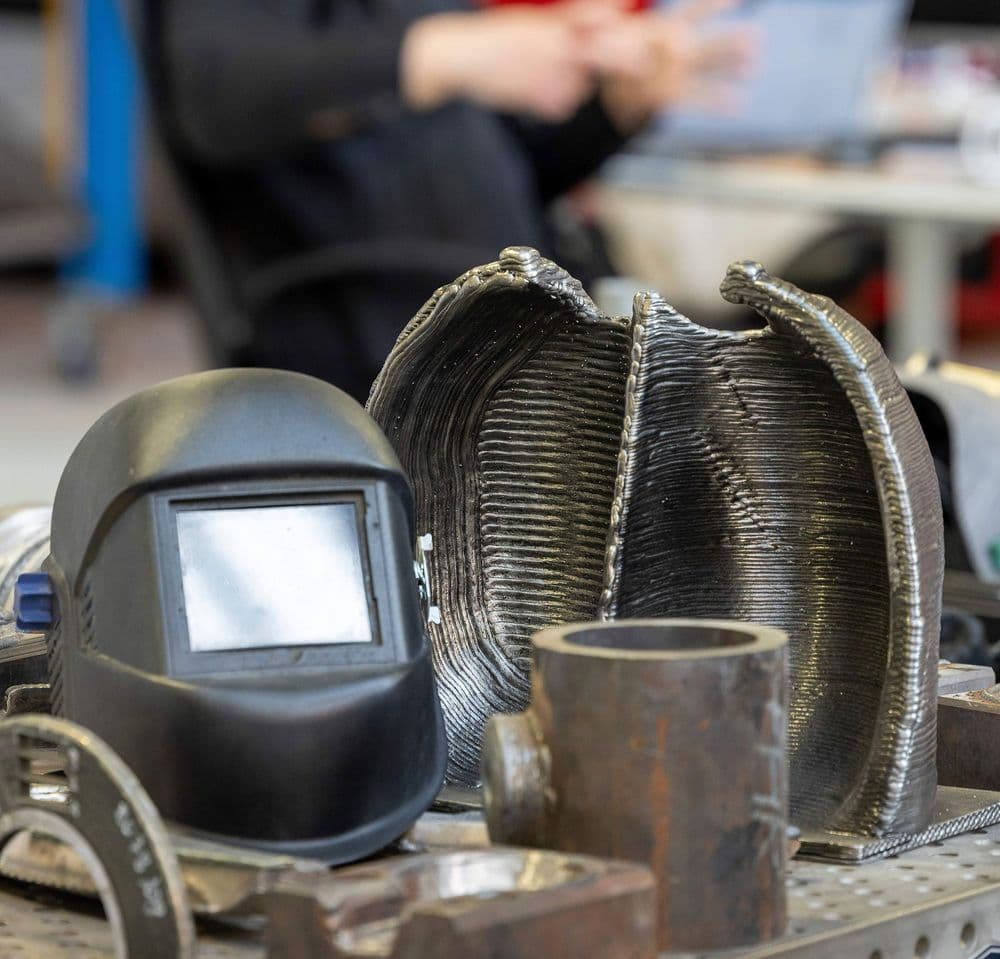
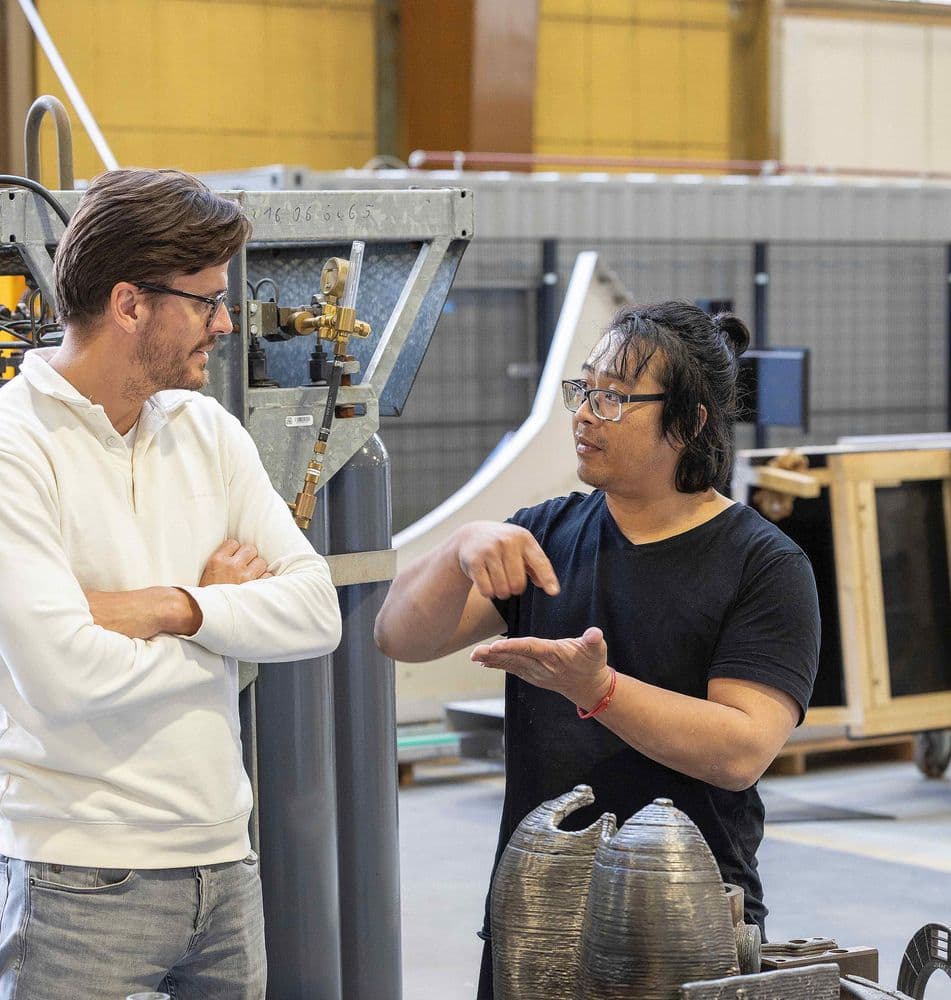
RAMLAB, short for Rotterdam Additive Manufacturing Lab, was founded in 2016 through a collaboration with the Port of Rotterdam, RDM Makerspace, and InnovationQuarter. Vincent already had experience setting up RDM Makerspace, a creative hub where young companies could rent machines and workspace. But every time a startup became successful, it moved on. “We asked ourselves: why do we keep facilitating others? Why not build something ourselves?” Vincent and co-founder and Chief Technology Officer Wei Ya thought. That’s when the idea for RAMLAB was born: a place to explore and develop new applications of 3D metal printing for heavy industry. “A year later, in 2017, we unveiled the world’s first 3D-printed ship propeller. It was certified and tested on a tugboat. We even made it into the Guinness Book of World Records”, Vincent recalls.
What the Company Does
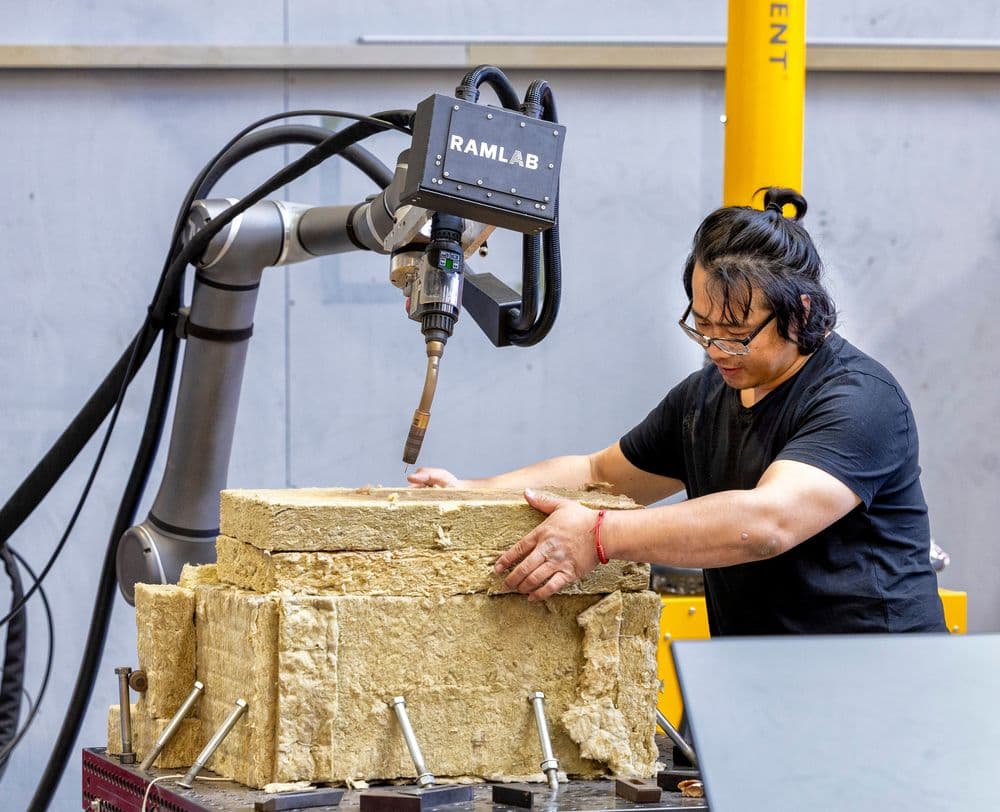
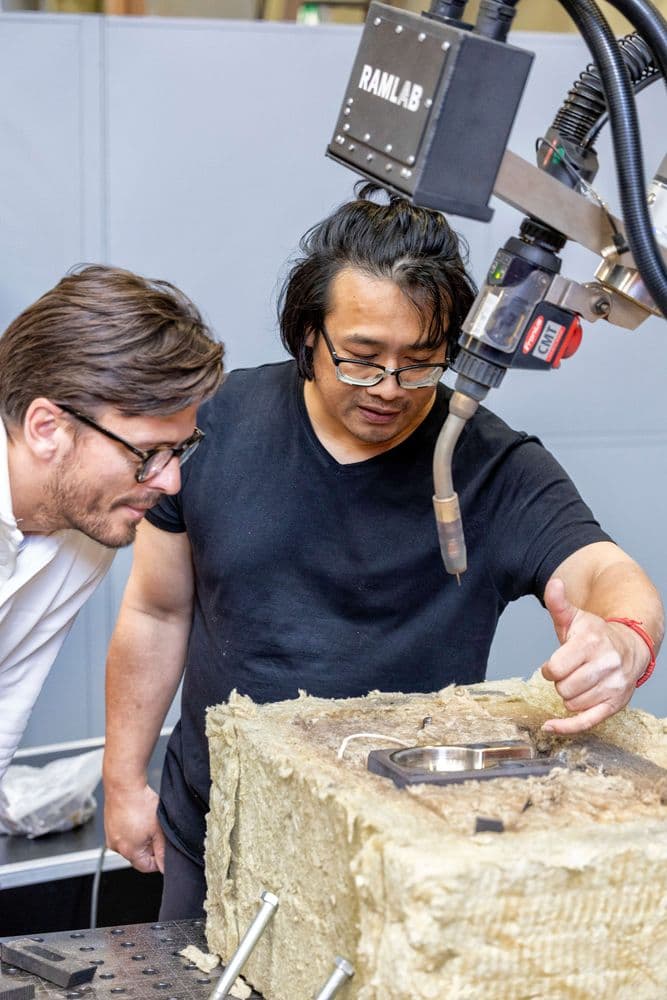
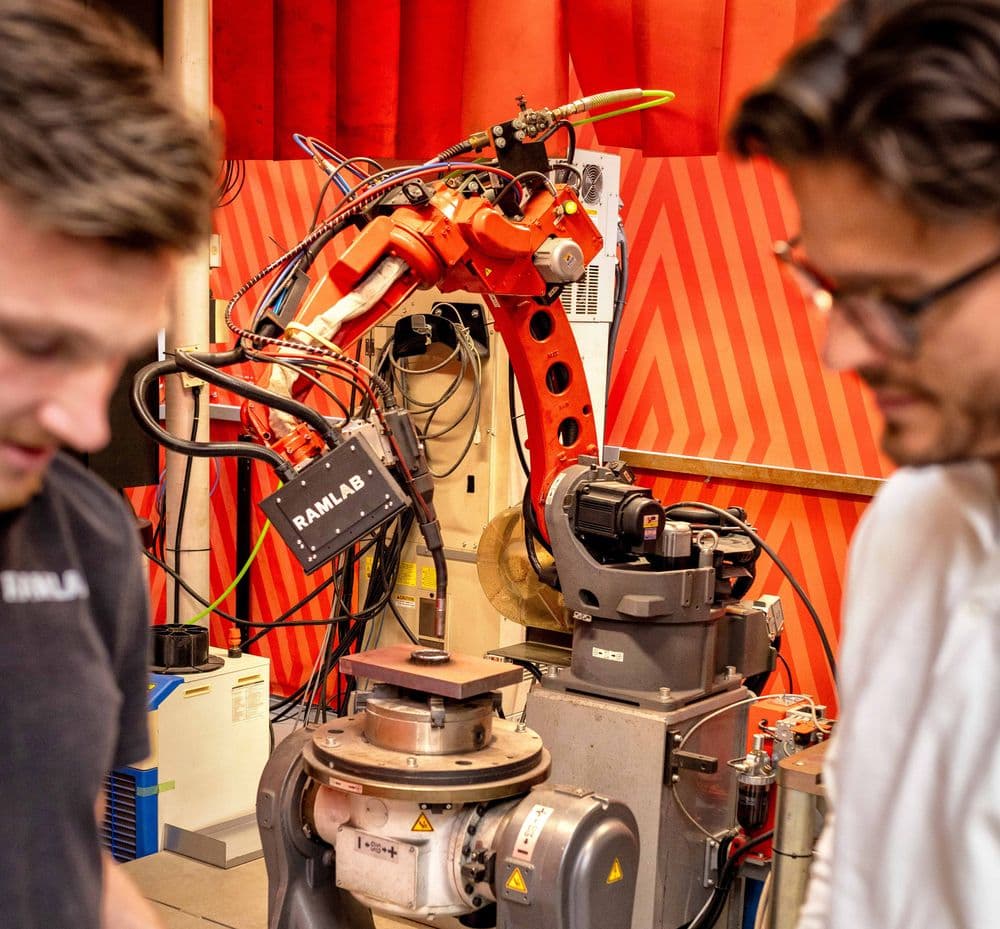
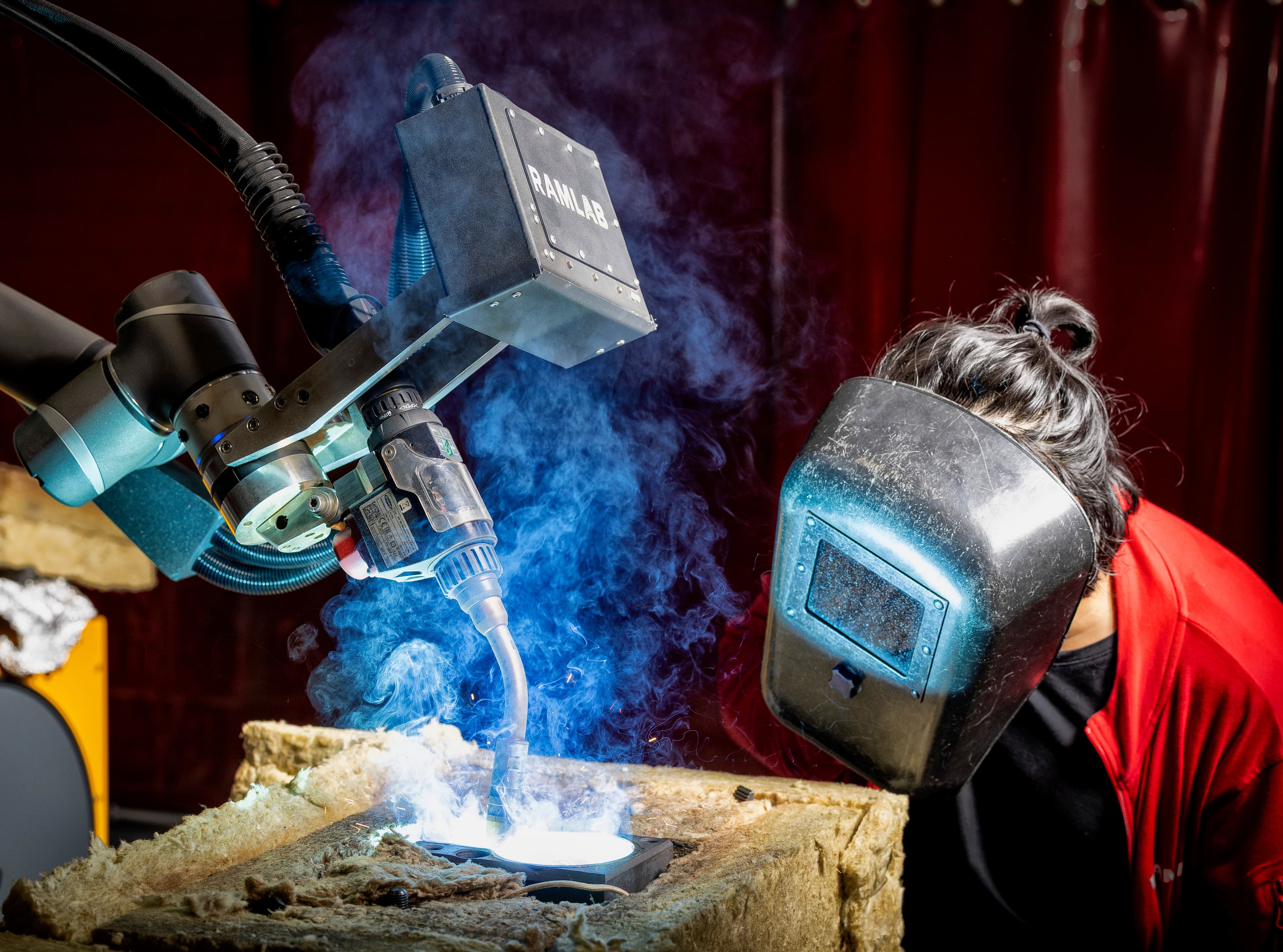
So yes, 3D metal printing, but it’s far more complex than it sounds. RAMLAB develops advanced software and robotic systems to print, repair, and service metal parts. The power lies in the combination of scanning, planning, and execution, all fully automated. “Where a welder or operator would normally have to monitor the process constantly, our system does everything on its own. All you need is someone to press the right button.” This makes RAMLAB truly one of a kind in the world.
Right Here in Rotterdam
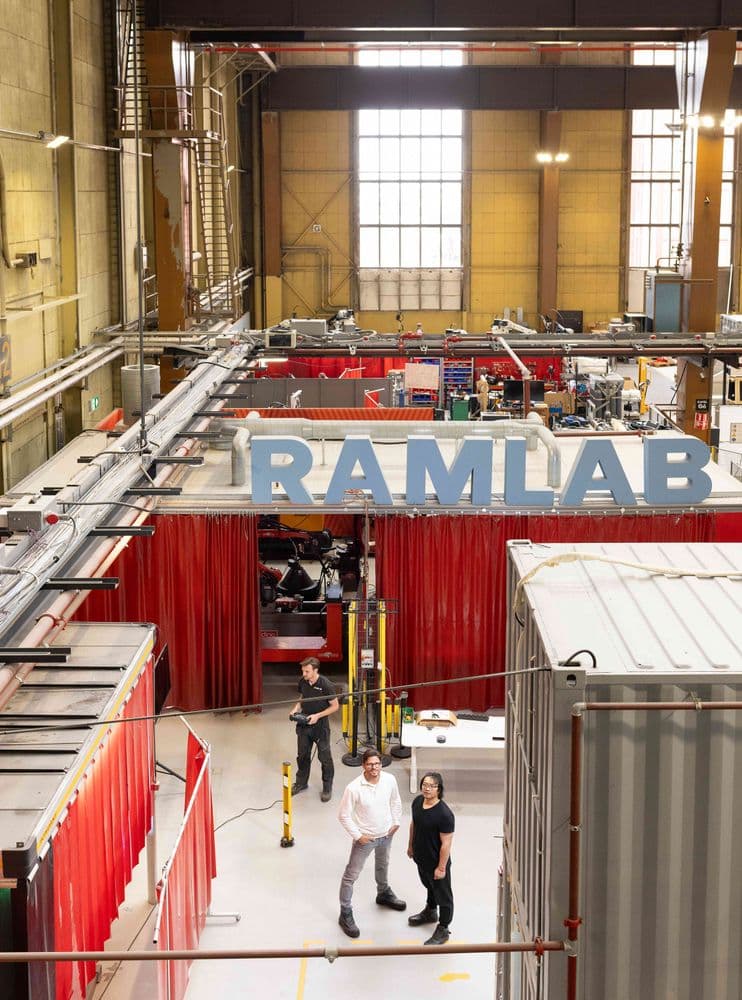
“RDM is gold”, says Vincent. “You rent a small section of a hall, you’re surrounded by other pioneers, and you feel that vibe every day, like anything is possible.” The historic site where ships were once built is now a breeding ground for high-tech innovation. “It’s amazing that we’re now developing and delivering cutting-edge robotic systems to 3D-print propellers, right here, on the same spot where ship hulls used to be welded. We’re creating world firsts, right here in Rotterdam.”
True Pioneers
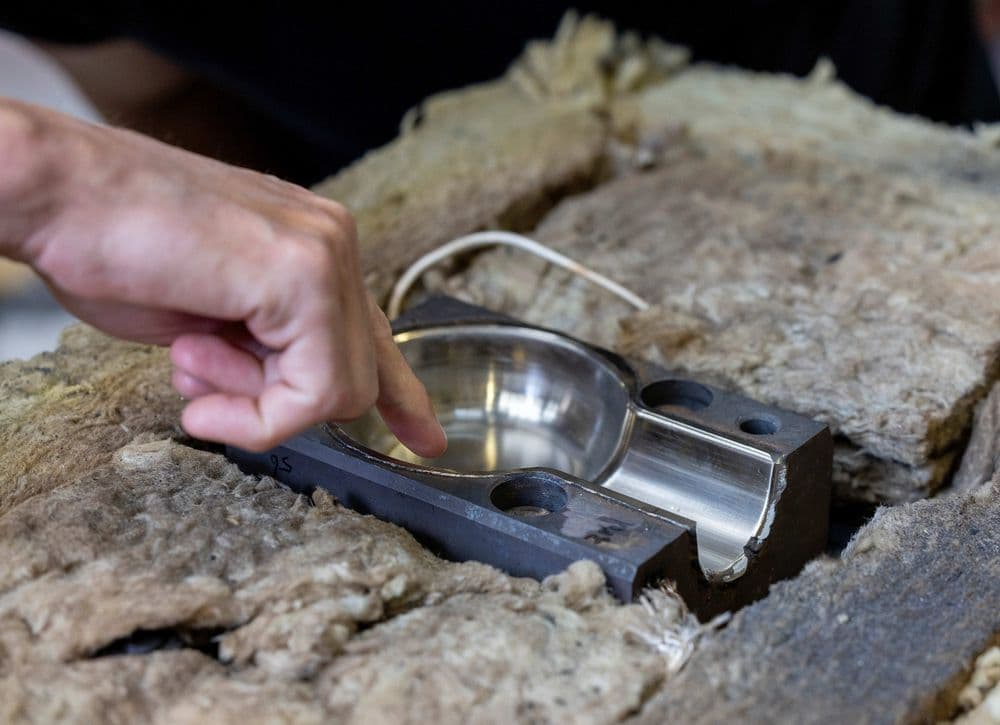
RAMLAB gained global recognition by 3D-printing a propeller for a tugboat built by Dutch shipbuilder Damen. Today, the company supplies robotic systems to clients in the UK, Germany, France, Switzerland, Singapore, China, and the US. Its software has advanced to the point where it’s now used for fully automated metal repairs. “We’re the only company in the world that can do scan-plan-repair in a single process.” Thanks to this innovation, forges can continue operating without welders, a game-changer in industries facing a severe shortage of skilled labour.
Future Plans and Vision
RAMLAB now has eleven employees, including four PhDs, and continues to grow steadily. The ambition is clear: to become a global leader. “We want to lead the world in automating metalworking.” The rise of AI and robotics is helping to make that vision a reality. “With a small team, we can now do what used to take a hundred people. Every six months, our systems get better. We’re riding the right wave.” The dream? “A hall of our own next to the Innovation Dock, filled with robots reinventing the industry—from right here in Rotterdam.”
Photography: Eric Fecken