RDM Rotterdam

The role of the Innovation Connector
Jard van Lent, Innovation Connector at RDM, is in daily contact with entrepreneurs on campus. She discusses their successes, but also where opportunities remain. “My role is to find out what is missing and how I can fill that gap. Often by connecting companies to the right knowledge or partners. Several startups expressed the need for more business knowledge. That’s how I got involved in the collaboration between CEMS Global Alliance and ESA,” Jard explains.
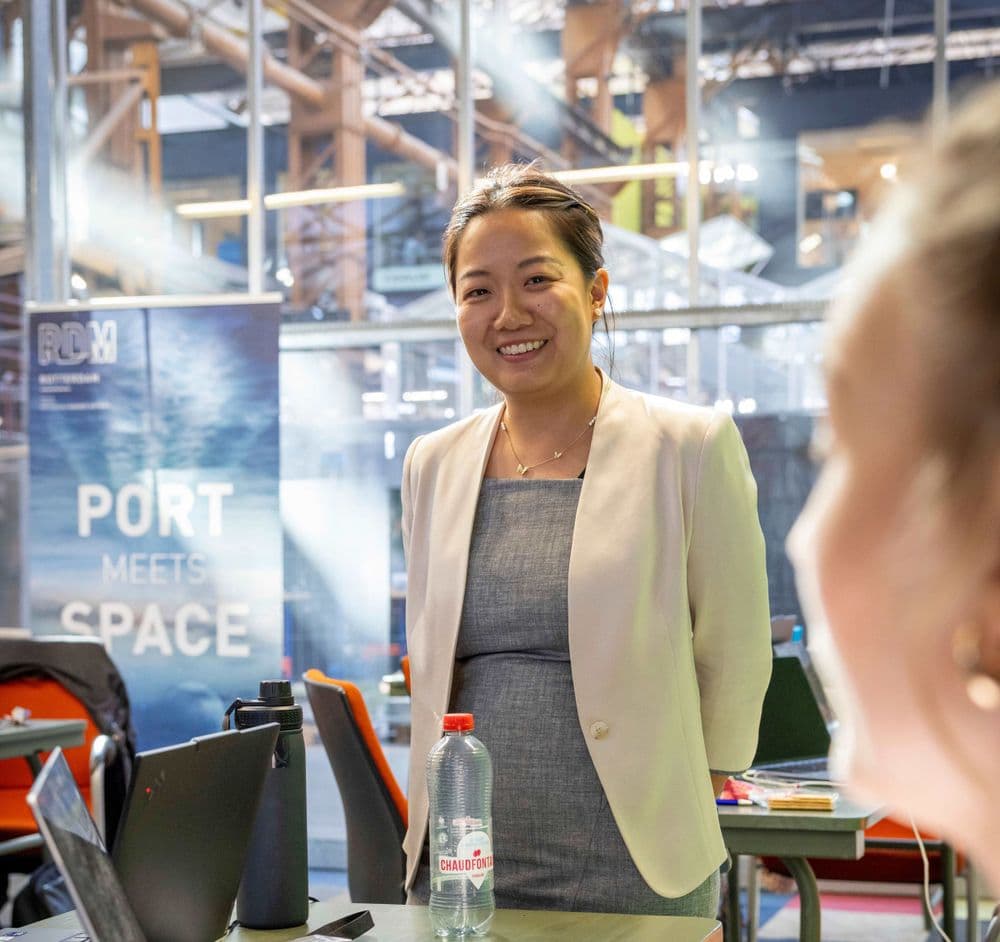
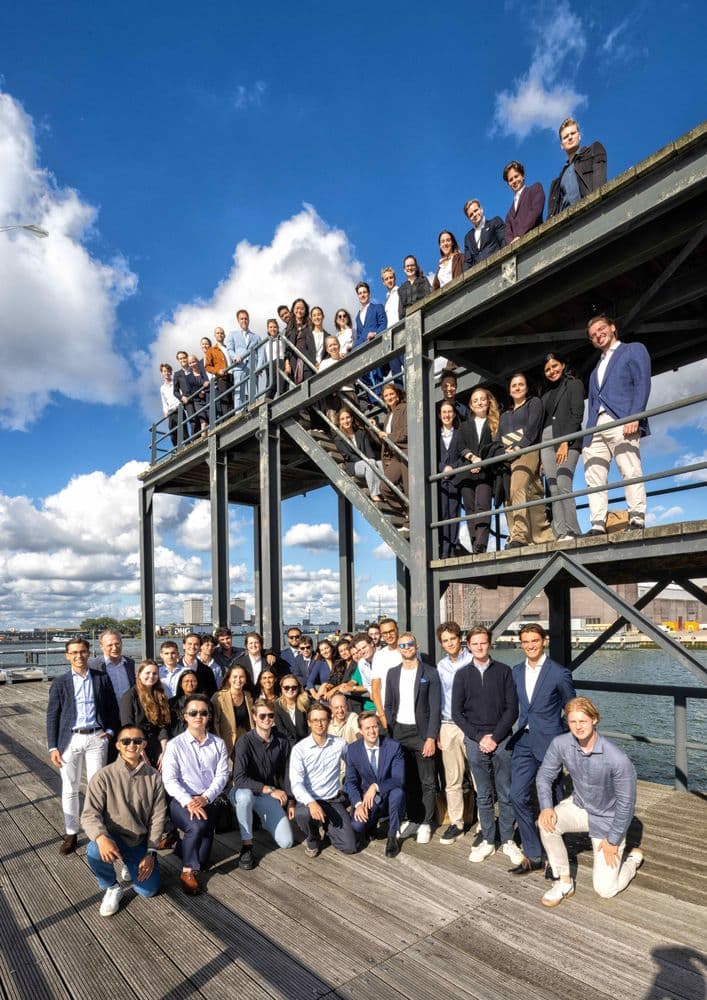
The link with the Port of Rotterdam was quickly established. Recently, the very first edition of Port Meets Space took place. Students from the Rotterdam School of Management, Erasmus University (RSM) immersed themselves for a week in the world of port and space. Welcome to the first Port Meets Space at RDM Rotterdam.
International students at work
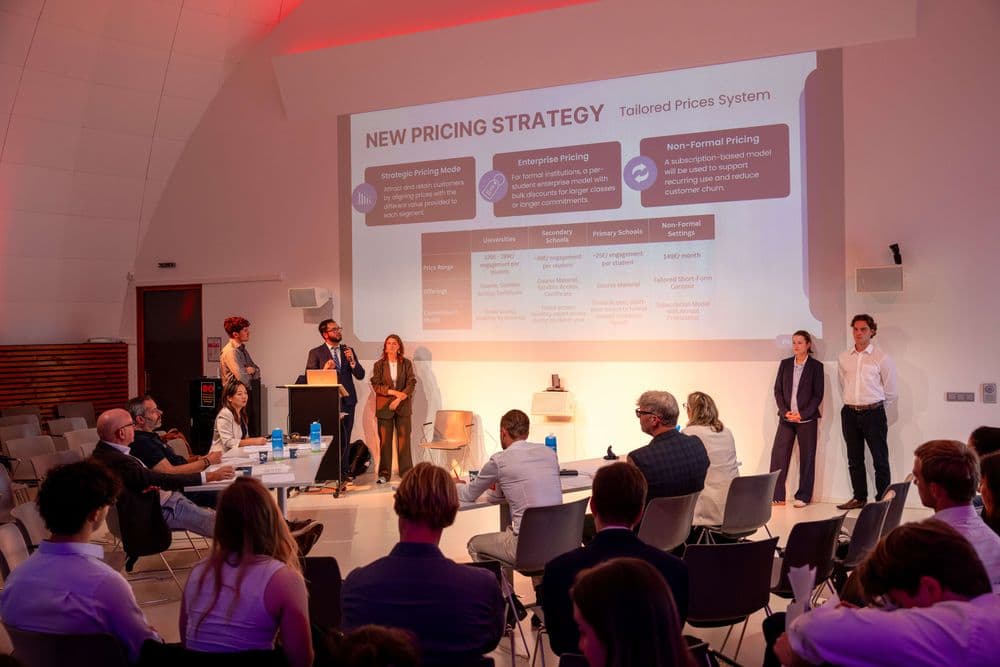
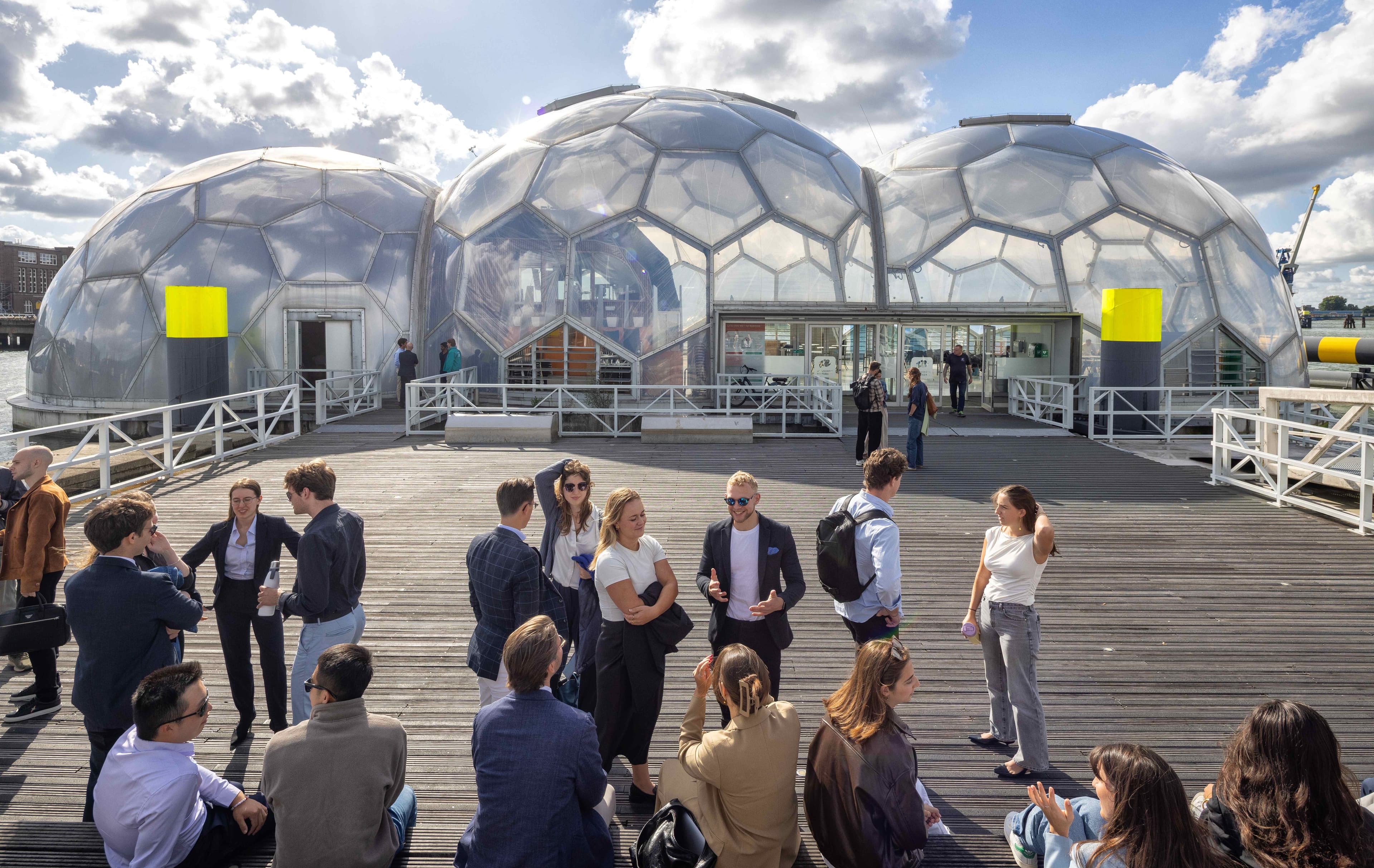
After a kick-off at ESA in Noordwijk, the sixty students moved to the Innovation Dock at RDM. Divided into two tracks, they worked intensively on turning technology into business: students developed a concept for a mobile port that could also be used by the space industry and on new venture consulting: students advised young companies from the ESA Business Incubation Centre (BIC) and RDM Innovation Dock on their growth strategies.
“For us, expanding to RDM was a logical step,” says Academic Director Dr. Giuseppe Criaco. “The collaboration with ESA has been running for twenty years. By expanding this, we connect our international students even more strongly with Rotterdam and its port. The Port of Rotterdam is a major player in the city’s ecosystem and brings important international appeal. This collaboration anchors RSM firmly in the city while giving exposure to our (inter)national students,” Criaco explains. “We are also curious about the alchemy between business and tech, as these two meet here this week. Our students get to apply their knowledge to real companies in an entirely new field compared to the well-known multinationals.”
“The Port of Rotterdam is a major player in the city’s ecosystem and brings important international appeal.”
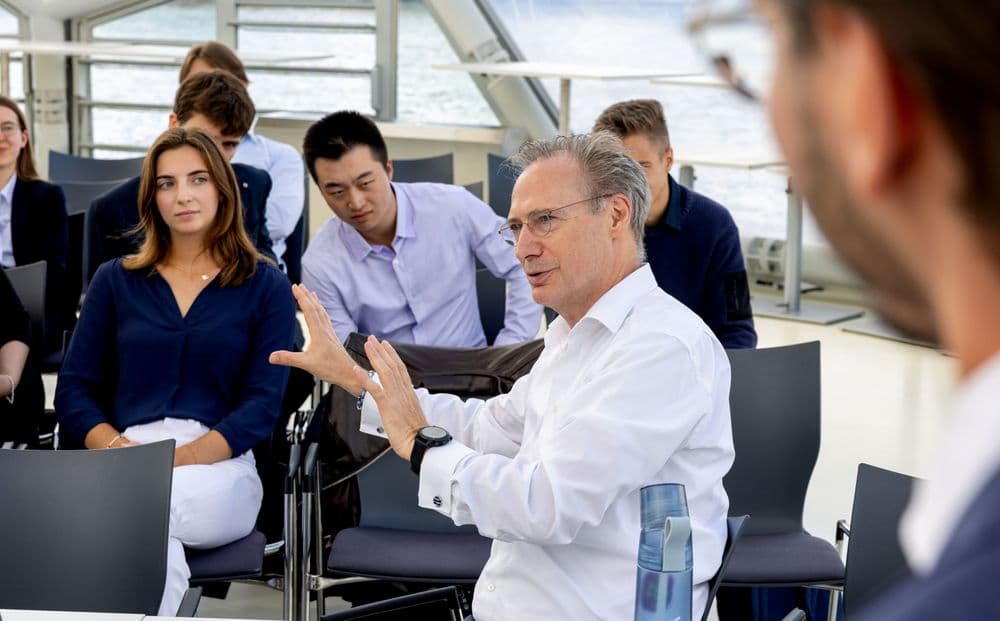
“But this week is not just about exposure or nice experiences,” adds CEMS Program Manager Marta Crabbia. “It’s a week of hard work.” The CEMS Master is one of RSM’s most international and competitive programs. Students from all over the world come together. “We make sure the student groups are as diverse as possible. We believe more diversity leads to more success. And we hope, of course, that our students will come up with recommendations that companies can truly benefit from.”
Business meets technology
Professor Yu Liu, Professor of Strategic Management at RSM, supervised the consulting track and selected the participating startups. “We look at entrepreneurial challenges and seek out companies that are still exploring their business models. Young startups in the start or growth phase that can really benefit from fresh insights.”
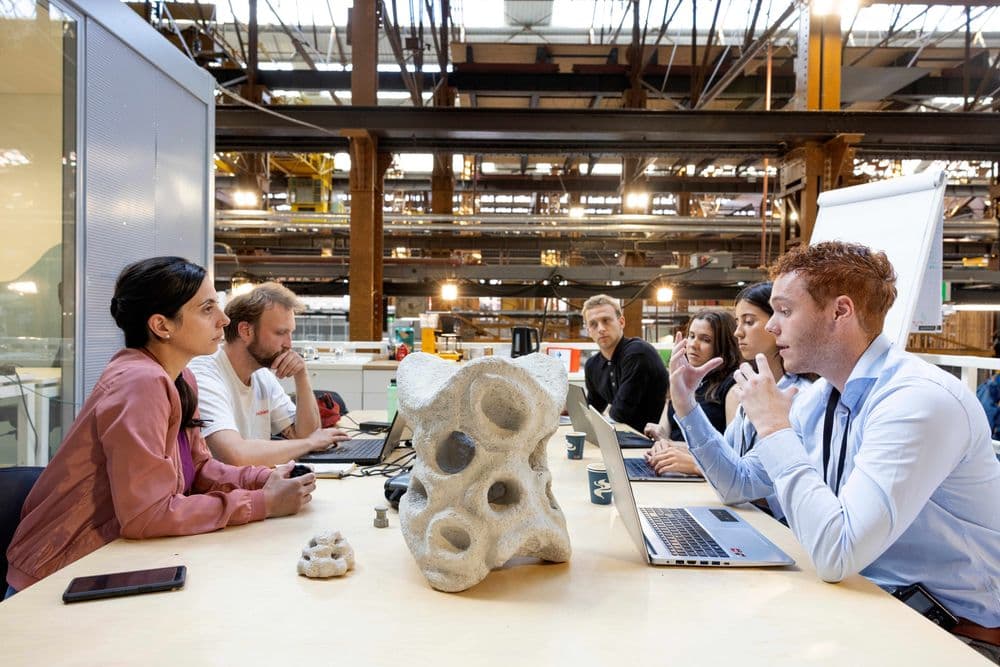
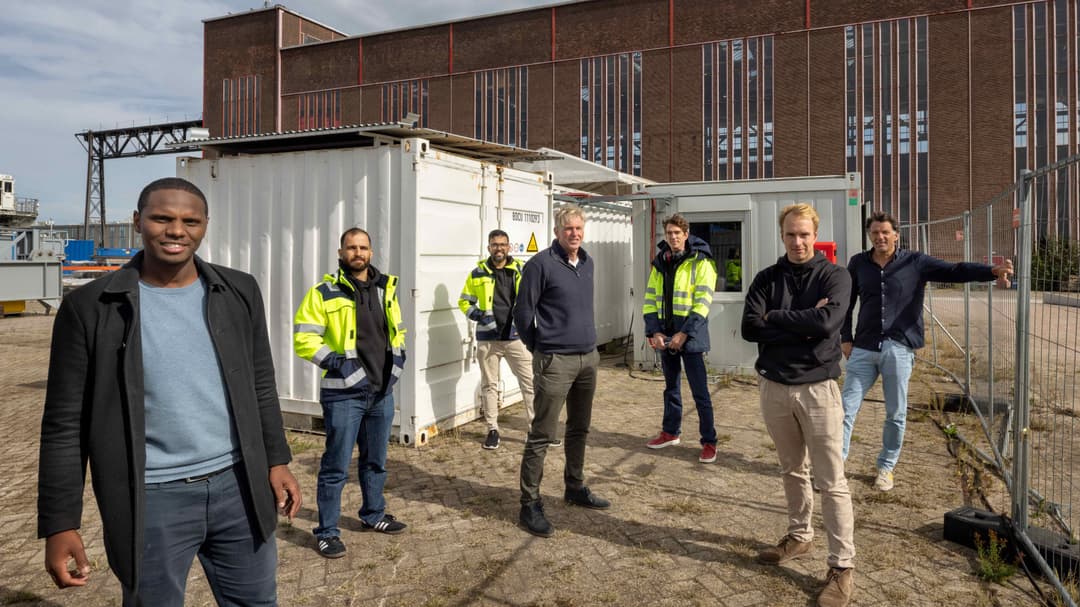
One such company is Coastruction, which builds artificial reefs with self-made 3D printers to protect coasts and restore underwater nature. Founder Nadia Fani was enthusiastic: “The students asked sharp questions that made me look at my company differently. Their advice to target specific investors was so valuable that I’m now considering hiring a business intern.”
André Schiele of X-Laboratory and HooH Energies also guided students this week and was very positive: “I truly feel that, together with ESA and Erasmus University Rotterdam, we were able to contribute to ideation with the companies at the Innovation Dock. My students worked very independently and mastered the complex technology behind HooH Energies. Then they stepped outside the box and put themselves in the shoes of an investor to think about how my company could grow and attract investments. That delivered fresh perspectives we can really use.” “Although the project was very short, the students gave us excellent insights,” adds Jurgen Zijlmans of Osbit. “For tech-driven companies like ours, the students can be of real value. This will also apply to other companies at RDM Rotterdam, and beyond, in the Rotterdam port and maritime sector. They look at our challenges with a different perspective.”
Students on RDM and Rotterdam
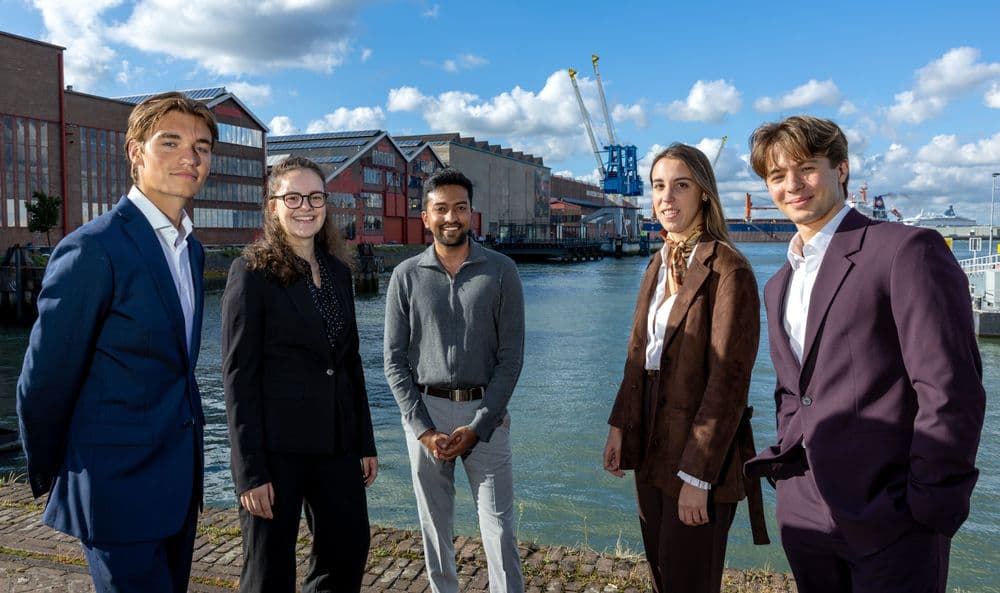
The international students were impressed with their week at RDM. “We’ve never experienced such an inspiring learning environment,” says Máté from Hungary. “You literally see the engineers at work here. That’s hugely motivating.” For many, Rotterdam was a deliberate choice. “I was looking for a cosmopolitan city with international energy, bigger and livelier than Bergen in Norway, where I currently study,” says Antony from India. Laura, from Italy, adds: “I was in doubt between Brazil, Sydney, or Rotterdam, but the combination of a top university and a city that’s neither too big nor too small made this the perfect choice.”
“I truly feel that, together with ESA and Erasmus University Rotterdam, we were able to contribute to ideation with the companies at the Innovation Dock.”
The concept of the mobile port
The second track was led by Graham Cross, Senior Lecturer at RSM. He guided the students through a design thinking process around the central question: What if a port were mobile? “Normally, a port is fixed in one place. But imagine you could move it – what would change? Students discover that innovation and business development are not fixed paths, but revolve around experimenting and new perspectives,” says Cross. RDM Rotterdam and the Innovation Dock turned out to be the ideal environment to explore those new perspectives. “By being immersed here for a week, the students were able to go in-depth,” explains project manager Jaap van den Braak. “Which functions, companies and services can you find in the Port of Rotterdam? And what are the main challenges of the moment – such as the energy and materials transition, grid congestion, the business climate and critical infrastructure? All this knowledge provides essential background to think about how part of the port could become mobile.” The students’ solutions ranged from modular building blocks for constructing a mobile port to AI-driven software to monitor logistics flows. They produced a wealth of truly innovative ideas. Above all, they brought a fresh and positive perspective to the Port Industrial Complex.
Learning by doing
For the students, Port Meets Space was all about: learning by doing. Maghna from India immediately noticed the cultural differences: “Academically and personally, the Netherlands is completely different from my home country.” Her Portuguese classmate Manuel mainly saw opportunities: “I wanted to learn how to apply advice practically. Here we finally got to apply what usually remains theory.” At Dutch Drone Company, students worked on a feasibility study for using drones in landing systems. Business Development Manager Willem Jan Boer: “The students took this on very independently. The link between aerospace and business is what makes this program so valuable.” This assignment brought aerospace, innovation, and business together. “We really enjoy working with students. That’s the beauty of the Innovation Dock – all kinds of knowledge come together here. Everyone is doing something different, and a program like Port Meets Space adds even more exchange and connection,” Boer says.
Diversity, role models and impact
Alongside knowledge-exchange, diversity played an important role. Professor Liu: “The maritime sector still holds a rather traditional image. Through programs like this, we want to show that talent has many faces. For students, it’s important to see role models who embody diversity.” CEMS Program Manager Marta Crabbia remains enthusiastic after years of involvement: “Every edition, students surprise us with their ideas. It’s a unique mix of cultures, backgrounds, and disciplines that reinforce each other. I hope companies can offer students an innovative perspective on their existing business ideas and strategies. This first course of their master’s program is an enriching experience.”
A promising start
The first edition of Port Meets Space delivered a week full of knowledge exchange, fresh perspectives and inspiring encounters. Students, companies and researchers all returned with new insights. This premiere clearly left everyone wanting more: RDM Rotterdam proved to be the perfect home base for a program that brings port and space closer together. Port Meets Space could not have asked for a better host than RDM Rotterdam.
Photography: Eric Fecken