RDM Rotterdam

From CO₂ to Advanced Carbon Materials
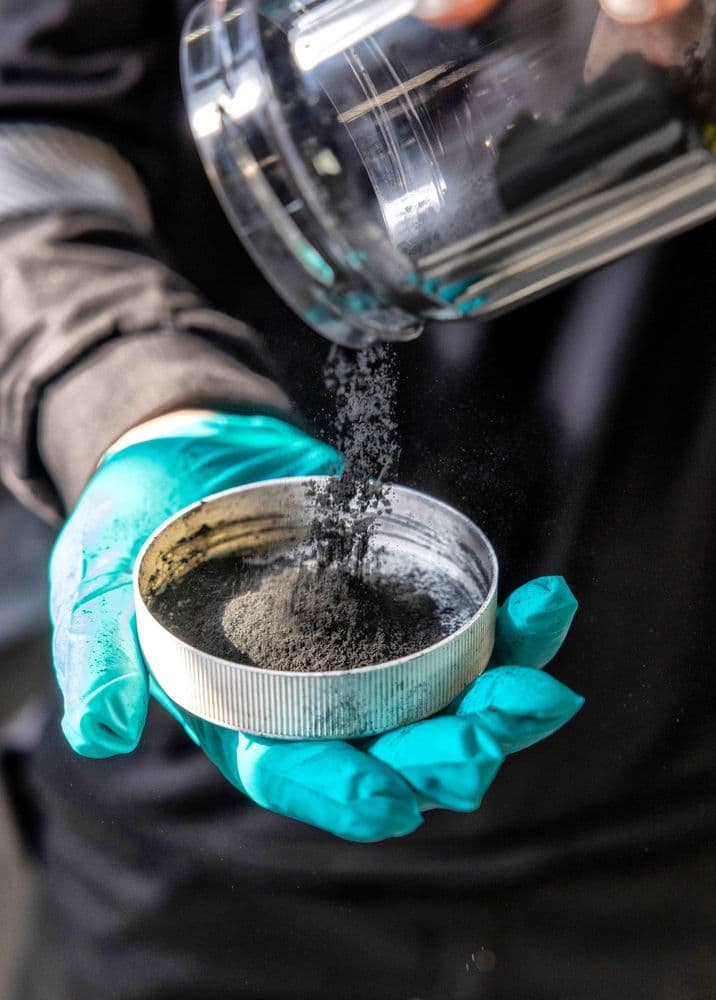
Aeroborn’s technology centers on an electrochemical process that splits CO₂ into oxygen and carbon. That carbon is then refined into high‑quality materials used across various industries.
One key application lies in batteries. Batteries play a crucial role in the energy transition as we move away from fossil fuels. But many of the raw materials used in batteries currently come from Asia. Aeroborn aims to show that these materials can also be produced in Europe.
The company is also developing technology for battery recycling. Discarded batteries still contain valuable materials, such as graphite. Aeroborn has developed processes to recover this carbon and even convert it into graphene, an exceptionally strong and conductive material with many potential applications.
“We’re essentially working along two pathways,” Toh explains. “On the one hand, we create materials from CO₂. On the other, we recover valuable carbon from batteries that have reached the end of their life.”
From Idea to Company
Aeroborn was founded in 2020. In the beginning, the focus was mainly on exploration: could this technology even work? Toh and his co‑founders searched globally for scientific partners and research initiatives.
The first years were dedicated to research, experimentation, and engineering. The company has now entered a new phase. “We’re at the point where we’re demonstrating that it doesn’t just work in a lab, but also in an industrial environment,” says Toh. Aeroborn is currently scaling up the technology toward commercial application.
At Home on RDM Rotterdam
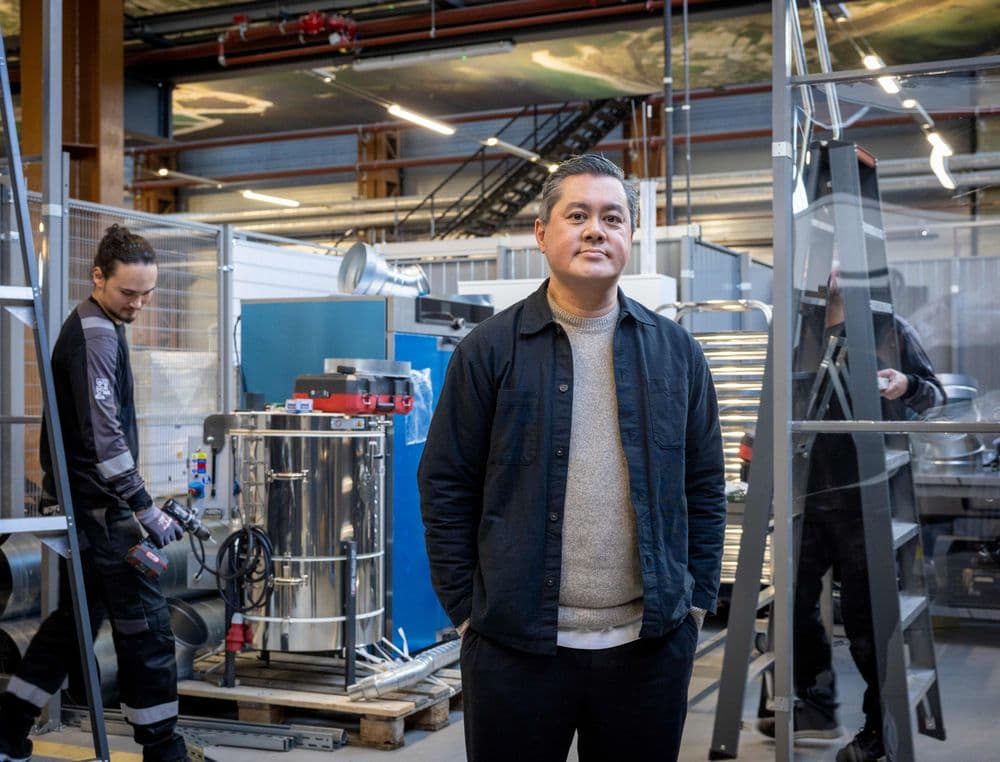
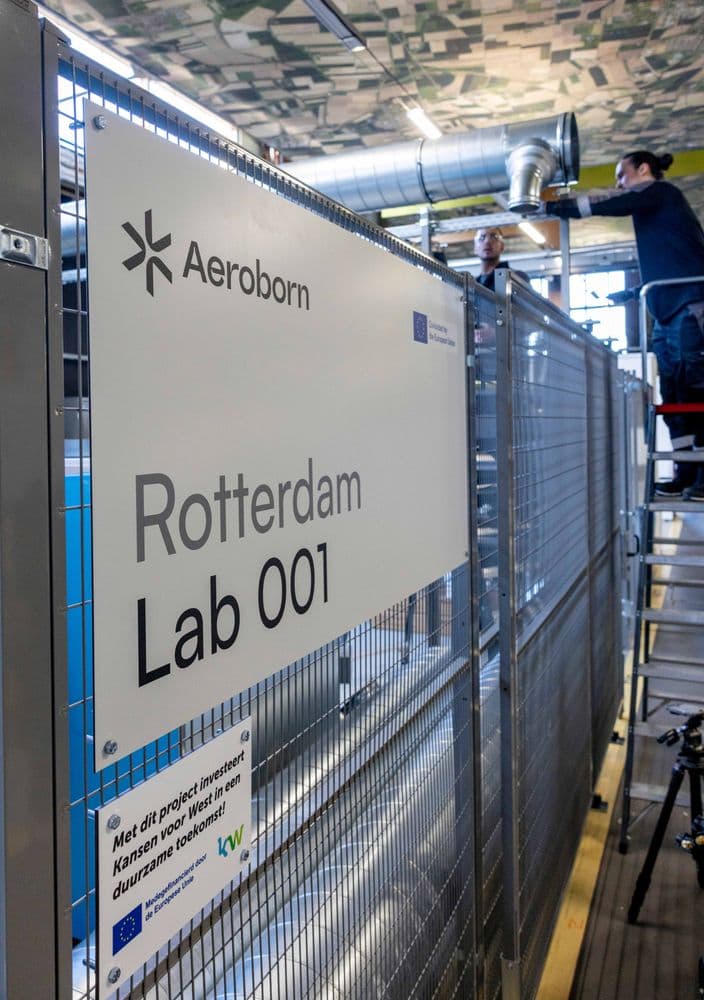
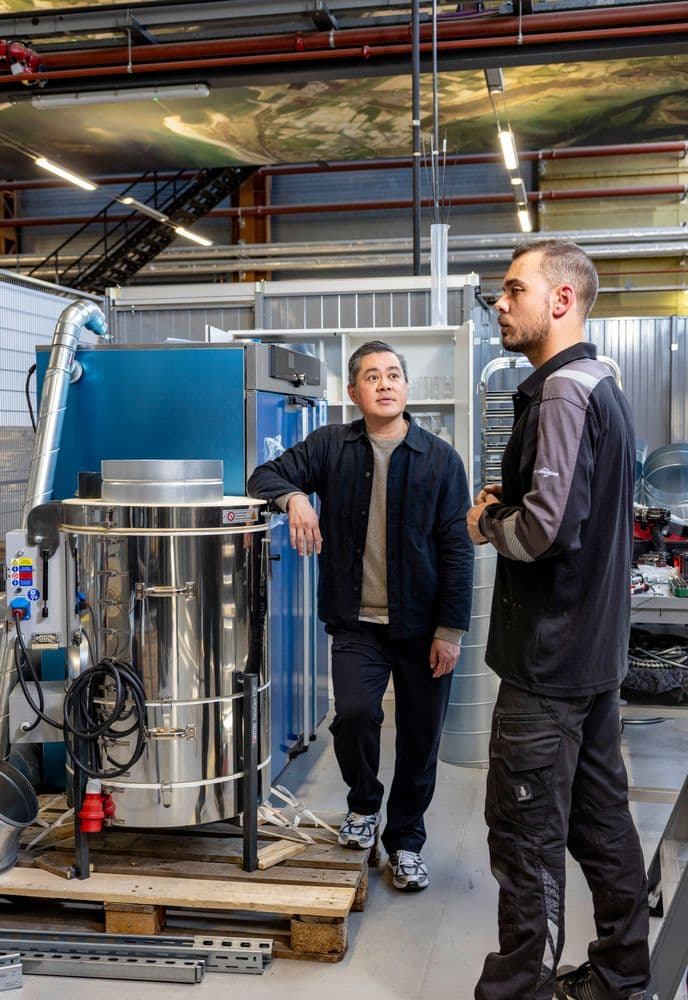
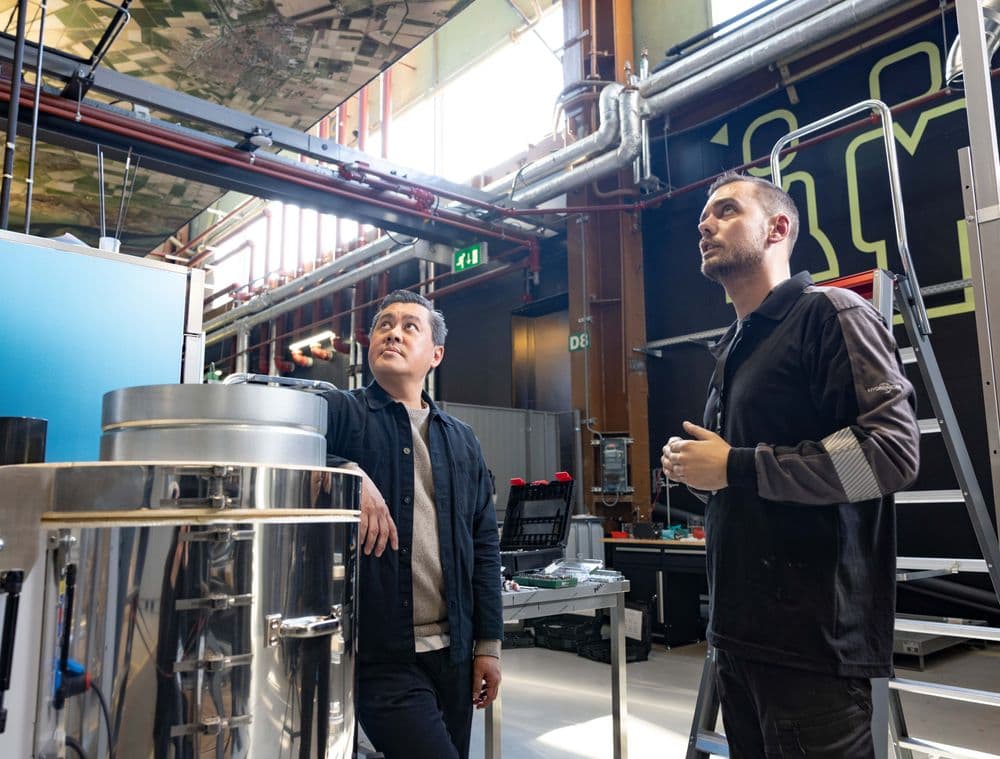
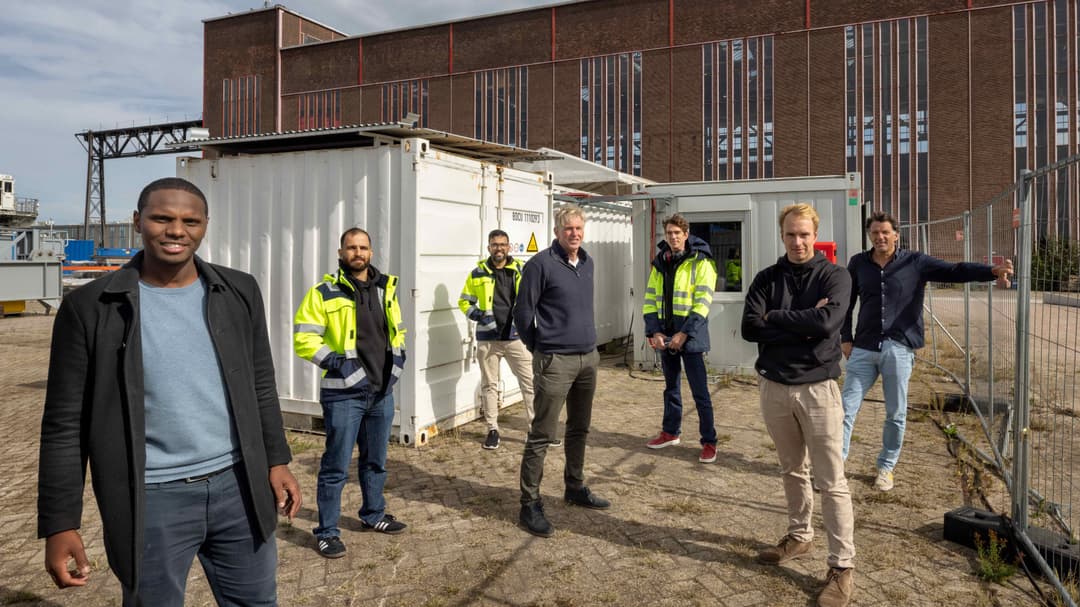
Since October 2025, Aeroborn has been based at the Innovation Dock on RDM Rotterdam. The location is a strategic choice for the company. The environment offers space for experimentation and prototyping, as well as a network of companies and knowledge institutions, Toh notes.
“A wide range of organizations work within the Innovation Dock — from metal printers and maritime innovators to companies developing CO₂‑capture technologies, such as ZEF. Coincidentally, they’re our neighbors,” Toh says with a smile.
“ZEF is developing technology that captures CO₂ from the air. For us, that could potentially become a direct source of feedstock — something we could connect our systems to,” he says, thinking aloud.
The proximity of educational institutions also plays an important role. “We have several interns from Rotterdam University of Applied Sciences and the Techniek College. We’ve even been able to hire one of them full‑time. This closeness creates opportunities for collaboration, and we’re very excited about that.”
Innovation with Impact
Aeroborn’s technology falls under carbon capture and utilization: capturing CO₂ and using it as a feedstock. The concept is gaining global attention, but converting CO₂ into high‑value materials is still relatively new.
The team combines scientific expertise with practical engineering. Toh describes the company culture as typically Rotterdam: pragmatic and solution‑oriented. “We try to solve problems creatively. A bit like MacGyver — building something new with whatever is in front of you.”
What’s Next?
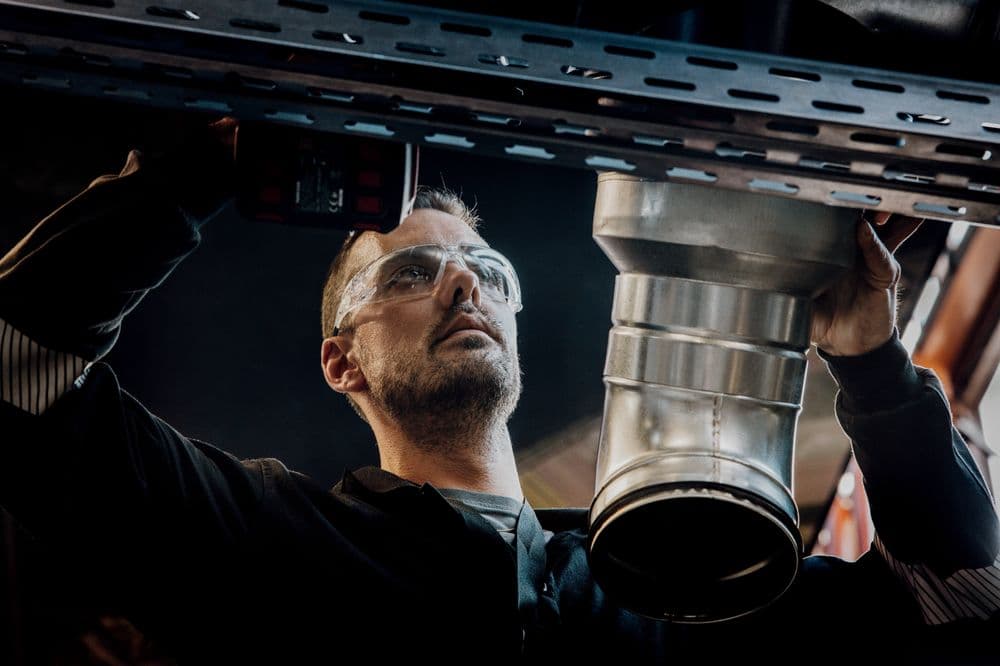
For now, the RDM location serves as a pilot, demonstration, and office space. This is where processes are tested and further developed. At the same time, the company is already looking ahead to larger production sites.
Industrial‑scale production requires more space — and especially a lot of electricity. Aeroborn is currently exploring various locations where the technology can be deployed at scale.
The team is also growing. The company currently employs twelve people, but that number is expected to increase significantly. “We want to double,” Toh shares. “We’re looking for engineers, process operators, and other specialists to help us move into the next phase.”
Toh sees many opportunities for collaboration within the port ecosystem. “There are so many interesting companies and knowledge institutions here. If we combine our strengths, we can make real progress in the energy transition. Especially with the Port of Rotterdam behind us. Our relationship with them is excellent, and they’re very supportive in helping us meet our needs.”
One thing is clear: Aeroborn may be new to RDM Rotterdam, but they’re far from finished here.
Photography: Eric Fecken